 |
| If you think the flooding recently in Vermont has been bad, check out Australia. Bonus: Vermont floodwaters weren't infested with crocodiles like those Down Under |
While we've been dealing with another major flood and its aftermaths, storms have been continuing around the world, often with terrible results.
Here are a few this week:
ARGENTINA
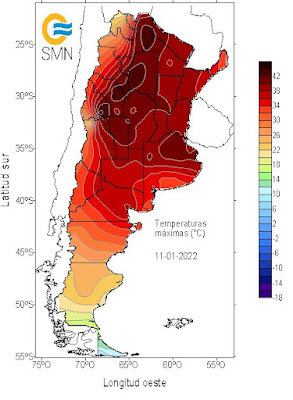
Much of South America, including Argentina, is having a hot summer hemisphere summer, and that heat can be fuel for severe thunderstorms.
That kind of thing happens in Argentina pretty frequently, but a storm this week was way beyond what they usually see.
The storm struck the city of Bahia Blanca, about 355 miles south of Buenos Aires on Saturday. The storm collapsed a sports center that was hosting a roller skating competition, killing 13 people, the BBC reported.
Two additional deaths were reported in nearby Uruguay.
Many buildings were damaged in Bahia Blanca before the storm moved north into Bueno Aires. Video shows parked passenger jet being buffeted and moved by the wind, forcing it to collide with other objects. A set of boarding stairs can be see blowing across a tarmac before smashing into other equipment.
Other video showed a stage at an outdoor concert collapsing in the wind as festival goes fled. The video also shows glass from shattered windows blowing around in the wind at a horse racing center.
Winds gusted to 93 mph in the storms.
AUSTRALIA
Bad weather surprises are always awful, as we learned here in Vermont on Monday when the flooding turned out to be worse than expected.
In northeastern Australia, a surprise storm proved much worse than we experienced here,
"Remnants of a tropical cyclone unexpectedly dropped 30 to 40 inches of rain across a swath of Australia's northeastern coast in recent days, inundating an area known as the gateway to the Great Barrier Reef and at least briefly threatening drinking water supples."
Even worse for flood victims, the storm has brought crocodiles into populated areas hit by the storm.
At least one area had close to an incredible 80 inches of rain, near Cairns which might threaten the national record for largest single storm. That amount is roughly what the region should expect in an entire year.
The storm started when Tropical Cyclone Jasper moved inland and then rapidly weakened. But it then sat over the same region for five days, unleashing those incredible amounts of rain.
The hardest hit area was around Cairns, which often has tropical cyclones and is well prepared for such storms. But they weren't ready for the unprecedented heavy rains. It's probably another case of a turbo-charged climate changed atmosphere dumping more torrential downpours than we remember or designed or towns and cities for.
CALIFORNIA BRACING
El Nino winters generally make California wet, but their winter rainy season has been off to a fairly slow start.
Until now.
A very wet storm is moving in promising to bring inches upon inches of rain to southern California. The valleys and coastline are expecting two to five inches and the foothills a whopping six to 12 inches of rain. Some spots could get over a foot of rain.
The long-lasting storm is sure to cause debris flows, especially in areas burned over by wildfires in recent years. Flash flooding, mudslides and wind damage are all in the cards now through Friday.
A years-long drought ended in California during a very wet winter a year ago. Still, things could get bad again if winter rains were to fail.
Los Angeles only got about a tenth of an inch of rain in November. No rain fell in December until Monday and Tuesday, and even then it was super light.
Overall, the oncoming storm is a good thing for California, if only it wasn't coming so fast and hard.
The California storm is expected to slowly trudge across the southern United States over the next several days. The storm could eventually turn north and affect us here in New England in about a week but we don't know what form that storm would take, if even does hit us.