Showing posts with label health. Show all posts

Monday, January 5, 2026

Wildfire Smoke From Canada In 2023 Significantly Worsened Vermont Childhood Asthma

Smoke shrouds Interstate 89 near Georgia, Vermont on
June 25, 2023 as wildfires raged in nearby Quebec.
Recent UVM research indicates the smoky summer
worsened asthma among Vermont children,
Asthma symptoms worsened among children in Vermont and northern New York in the summer of 2023 as clouds of wildfire smoke billowed into the region from huge Canadian blazes, new research confirms. 

We've always known that bad air quality can make asthma sufferers more miserable and put them in danger. But it's interesting and useful to learn to what extent wildfire smoke is a problem. 

Research on the effects of wildfire smoke in populations far from the actual blazes is rather scant as Vermont Public notes. Most science focuses on people near wildfires or those exposed to the smoke for long periods of time. 

The new research from the University of Vermont is useful for those of us occasionally breathing smoke from hundreds or even thousands of miles away. The UVM study is the first to consider the impacts of wildfire smoke on asthma patients in the Northeast. 

"This shows that even these small levels of changes in air quality due to wildfire smoke have the same impact of negatively impacting children's health," said Anna Maassel, the study's lead author and a doctoral student at UVM's Rubenstein School of Environment of Natural Resources. 

That's a big deal because roughly 7 percent of Vermont's children have asthma. 

Here's how this worked, as Vermont Public reports:

"Researchers studied electronic health records for more than 900 people, aged 3-21, being treated for asthma within the University of Vermont Health Network over three summers, from 2022 to 2024. They then compared this with estimated smoke exposure within zip codes, based on air quality data.

They found that children's asthma in Vermont and New York was markedly less well-controlled in 2023, when Quebec experienced a record-breaking wildfire season, compared to 2022. But researchers didn't find that asthma symptoms noticeably improved between 2023 and 2024, even though air quality got better."

The UVM researchers looked at particular matter that was smaller than 2.5 millionth of a letter, or PM 2.5. "That can be especially challenging to dispel from lungs, and especially irritating to those airways....There is research that shows that exposure to wildfire smoke can have much longer-term impacts, including development of asthma, especially for early exposure as a child," Maassel told Grist. 

Children with asthma usually have fewer attacks in the summer because they're not in school where they're constantly exposed to respiratory viruses and indoor triggers. 

Since wildfire smoke is usually a summer thing, children with asthma might not get the break they historically did if this smoke becomes a regular occurrence. Climate change is making Canadian springs and summers hotter and in some cases drier, creating the conditions for wildfires. The western U.S. is getting more prone to larger wildfires, too. 

So it looks like we need to start getting used to smoky summers almost everywhere in the United States.

On top of that, Grist notes, climate change is making growing seasons longer, means plants can produce more pollen. That pollen can exacerbate asthma and other chronic respiratory diseases. More bad news for asthma sufferers.

Wildfire smoke isn't just all about particles. As smoke travels long distanced, it produces ozone, which can irritate the lung and worsen asthma. Other icky things, like formaldehyde can evolve in traveling wildfire smoke, too. 

Like most research, the UVM wildfire smoke research begets more questions and more studies. 

Per Vermont Public:

"Maassel said more research is needed to understand why children's asthma wasn't better controlled in 2024. It's possible, she said, that the wildfire exposures of 2023 had a lingering impact.

The researcher said she's also interested in studying who is most impacted by smoke pollution - and what practical solutions public health officials can offer people to help protect them. Often, health officials tell vulnerable people to go inside and turn on their central air when air quality goes down. But few Vermonters have that option."

This goes well beyond Vermont, of course, The smoke attacks from Canada in 2023 and the western United States in other recent years, affected most of the population of the U.S.  As wildfires grow every year, will it contribute to a general decline in the nation's health? 

Sunday, September 14, 2025

Los Angeles Wildfires In January Might Have Killed Hundreds, Not Two Or Three Dozen

The cataclysmic wildfires in and around Los Angeles
this past January officials killed 30 people, but a 
recent study suggest the real death
toll might have exceeded 400.
Data emerged this summer suggesting the death toll from the intense wildfires in and around Los Angles last January is much higher than official numbers.  

Officially, 30 people died in the conflagration that tore through Alameda, Pacific Palisades, Malibu and other densely populated areas of Los Angeles County. 

But county death records suggest the fires might have claimed an additional 440 lives. 

These weren't people trapped in burning neighborhoods. They were people whose health suffered in the smoky, depressing, dangerous and contaminated atmosphere during and after the conflagration.

As the Washington Post reports, scientists compared deaths in Los Angeles County between January 1 and February 1 with figures from past years, excluding 2020 through 2023 because of the coronavirus pandemic. 

They found this year, 6,371 deaths were recorded in that months span, compared to an expected 5,931 deaths. That leaves 440 more deaths that need explanation. 

A quote from the WaPo article: 

"The findings emphasize how climate-driven disasters can be far deadlier than they initially seem, with ripple effects in the weeks and months after the extreme events. The disasters are linked to lingering environmental damage and social upheaval that result in long-term, dangerous ills for hard-hit communities."

Calculating excess deaths the way they've done with the Los Angeles fires is a good way to capture the complete scope of a disaster. Scientists discover fatalities that weren't a direct result of the catastrophe. The event caused problems that proved fatal to some people, such as crappy air quality or health care disruptions and delays. 

The number of excess deaths from the L.A. fires surprised the researchers, according to the Washington Post. 

Moreover, there might have been additional deaths caused by the wildfire after February 1, when the study ended. 

The obvious next step would be to figure out how these excess deaths occurred. Was it the air pollution?

"That would require combining estimates of who was exposed to how much wildfire smoke with existing estimates of how given level of smoke exposure affects mortality," said Marshall Burke, a professor at the Stanford University Doerr School of Sustainability.

 The fires also left behind potentially cancer-causing contaminants. That could add to the fire mortality in the coming months and years. 

Looking wider, the study of Los Angeles fire deaths raises questions about the real death tolls of other wildfires and different kinds of disasters, such as hurricanes, tornadoes and floods. Additional deaths probably happen after the news cameras are pointed the other way after a disaster ends. 

For instance, other research after the wildfires in Maui, Hawaii in 2023 reached some disturbing conclusions.  

The official death toll in that fire was 102. But suicide and drug overdose rates on Maui skyrocketed in the month after the disaster. Another study showed that half of adults suffered from depression in the months after the Maui fire and 22 percent had decreased lung function. 

As climate change intensifies wildfires, storms, floods and droughts, it'll be important to get a handle on the real death toll associated with these calamities. Growing evidence suggests you're not necessarily safe if you survived the critical hours of the disaster. 

Weather and climate change can kill long after the sun comes back out, the fires are extinguished, the wind dies down and the water recedes. 

Monday, August 25, 2025

Dead Pools And Toxic Dust: Great Salt Lake, And Lake Powell Drying Up, And Causing Real Problems.

Satellite view of Great Salt Lake in Utah. The 
lighter areas around the lake used to be under
water, but now are dry lakebed areas that 
blow potentially toxic dust into
populated areas east of the lake. 
Here in Vermont, we might be complaining about brown lawns, low water in our rivers and worries about our wells as our drought settles in. 

But a mega-drought out west is creating challenges far worse than ours.  

We have two examples, both involving large but badly shrinking lakes.

The Great Salt Lake is so low that dust blowing off now dry lakebeds are creating health hazards for those living nearby. 

And Lake Powell, an immense reservoir in the Southwest is getting so low that some worry it might not be able to provide crucial water supplies and hydroelectric power to millions.

GREAT SALT LAKE

The Great Salt Lake is at near record lows, exposing expanses of flat, formerly submerged lake beds which were once part of this lake. 

An area encompassing 120 square miles that was once under salty water is now dusty playa, which is a word for dry lake bed. 

Gusty winds stir up the dust and blow it into fast-growing neighborhoods near Salt Lake City.  The Wasatch Front, which encompasses the city's metropolitan area, has a population of about 2.6 million.

The dust blowing into many of those neighborhoods likely contains dangerous substances, such as arsenic and lead. 

Studies have shown these and other substances in the Great Salt Lake dust can cause cancer or cardiovascular disease, but no comprehensive research has been done on how all this is affecting people who live in the region.

Similar salt lakes that have largely dried up in other locations in the world, like the Aral Sea in central Asia and Lake Urmia in Iran have resulted in health problems in populations nearby that have been exposed to dust blowing off those lakes. 

The Great Salt Lake has no outlet. How deep it gets depends on how much water flows into it, and how much evaporates in Utah's hot summers. The lake has always gone up and down, but since the 1980s the trend has been downward. 

Part of the decline is due to the rising population and increased water usage for industry, farming, construction and people moving to the area. Utah is one of the fastest growing states.

Climate change has a role, too. Big droughts have allowed the lake to slip to such low levels.  Some scientists say this is regions worst drought in 1,200 years.

As the Washington Post explains, the state legislature passed several laws aimed at conserving water. Public opinion polls indicate Utahans firmly back those conservation efforts. 

But the lake won't turn around anytime soon, if at all. So the dust will keep blowing into populated areas. 

There's not a significant monitoring program along the Great Salt Lake to assess what's in the dust blowing off the playa and how dangerous it is. 

WaPo again:

"The counties near the lake have six federally regulated air quality monitors that track lake dust. The monitors don't routinely look at the composition of the dust.

While the EPA said it has no plans to monitor the lake dust on a federal level, Marisa Lubeck, an agency spokesperson, added that it 'supports Utah's leadership in actively monitoring and conducting research to understand dust from the Great Salt Lake and its potential impacts."

So for now, nobody in Utah knows how much bad stuff their breathing from the now- Not As Great Salt Lake blows dust into some of Utah's fastest growing cities, towns and neighborhoods.

LAKE POWELL 

This lake on the Utah-Arizona border has been plagued by low water levels for a number of years now, thanks to that mega-drought in the West and pressure from increased water usage by a growing population.

It's now at its lowest level in three years, which is forcing boat launches to close and raising fears about water supplies and hydroelectric power. generation.  

Per USA Today

Lake Powell on the Utah-Arizona border remains very
low, and if it continues dropping, water and electrical 
supplies could be at risk for millions of people.
 "There's a chance that Lake Powell's water level could fall to an elevation that would force the stoppage of power generation at the Glen Canyon Dam, which would affect electricity supply to millions of people in many states."  

Things could get extremely dire for millions of people if the water level gets too much lower. USA Today again:

".....another concern is the chance that Lake Powell could reach so-called 'dead pool' status by December, 2026. That is the level at which a dam can no longer release water downstream.

According to the U.S. Bureau of Reclamation and the U.S. Department of the Interior, if dead pool is reached at Lake Powell, residents of seven western states,  - Wyoming, Utah, Colorado, New Mexico, Arizona, Nevada and California, - could see power blackouts and water shortages."

Both Lake Powell and Lake Mead, another critical reservoir in the West are only at one third of their capacity.

We've been here before. In 2022, the reservoirs were only 25 percent full, but a couple of wet winters allowed water levels in both lakes to rise slightly, preventing an immediate crisis.

But the lake levels are falling again, and there's no guarantee a wet winter will save things again.  Climate change, with its drought and added heat, are evaporating water faster than it can go into the reservoirs.  

Recent research suggests that climate change has altered a complex relationship between the atmosphere and the Pacific Ocean. This reconfigured atmospheric dance between air and ocean encourages drought in the Southwest. 

That's only part of the problem. Even if the region miraculously cooled off and got wetter, overuse and a rising population are keeping the Lakes Powell and Mead from stabilizing and adding capacity. 

Opinion is mixed as to whether Lake Powell will hit "dead pool" within the next year or two or not. But now is the time to start thinking about alternatives in the region, in case water and power supplies are eventually disrupted.  

Monday, August 18, 2025

Deep Dive Into Canadian Fires/Smoke: Canada Nightmare, Dangerous Smoke, Climate Change and Politics

Wildfire smoke from Canada turns the evening sun into
just a red dot over Georgia, Vermont on 
August 3, 2025. 
 It's been a smoky summer here in Vermont and much of the rest of the United States because, as you've already heard. Canada is burning again. 

It's the third year in a row that Canada has experienced unprecedented fires. So far, as of earlier this week, 16 million acres have burned, and the fires rage on. Last year, about 13 million Canadian acres burned. 

In 2023, the big, bad year for Canadian fires, nearly 40 million acres went up in smoke. That year, and now this year, are several times worse than each of the other Canadian fire years on record. 

Down here in Vermont, we'd seen smoky days before. Usually from Canadian fires. But in 2023 we entered a whole new world, thanks to Canada's fiery new reality.  Two years ago, many of the big fires north of the border were close by,  in Quebec. 

Since the smoke didn't have far to go to bother us, so it was pretty thick by the time it crossed the border into Vermont. 

This year, Quebec isn't causing the problem. In July, that province had the lowest number of fires in the past 10 years, CBC News reported.

As of Tuesday, just five small fires were burning in Quebec. CBC continues: "The province has seen around 170 fires so far this year, which is more than 200 fewer than the 10-year average,,,,,,In 2023, over 4.5 million hectares of forest burned in  Quebec, compared to 3,000 hectares so far this year."

Much of Quebec just had a super dry heat wave, and prospects for a lot more rain up there are fairly slim.  Quebec forests might be on the verge of bursting into flames.

Some of the fires are burning in unexpected areas. Newfoundland has been oddly hit hard, as you wouldn't expect that stormy, chilly corner of the world to catch on fire all that much.

As of last week, three out of control fires burned near St. John's and in central Newfoundland St. John's is Newfoundland's biggest city with a population of about 110,000. Another fire recently started near  the south coast. 

The series of fires in Newfoundland have prompted evacuations for the past several weeks. More people might well need to flee this week.  Several homes have already been lost to the Newfoundland flames. 

As of August 6, this year was already Canada's
second worst wildfire year on record. 
More people are awaiting possible evacuation alerts as three out-of-control wildfires continue to burn throughout Conception Bay and central Newfoundland, and a fourth fire has ignited in Red Harbour on the Burin Peninsula.  

Oddly hot, dry weather has hit Newfoundland over the past week or two.  One town in Newfoundland hit 98 degrees last week, the province's hottest temperature on record.  

 HEALTH EFFECTS 

As of August 6, Montreal had been under air quality alerts five times so far this year, They got through last year with no such alerts, In 2023, Montreal was under air quality alerts on 19 days. 

Air quality alerts have been piling up in the United States, of course. You alway see tips on how to keep yourself safe from the smoke,  But there's really no escape from it. 

Wildfire smoke is obviously not good for us to breathe.    On days when the air quality index is around 100 to 200, it's similar to smoking a quarter to a half pack of cigarettes a day, May-Lin Wilgus, a pulmonologist and professor at UCLA told NPR.  

That's bad enough for healthy people.  Emergency room visits skyrocket during smoky periods. During the Canadian wildfires two years ago, emergency room visits for asthma in the U.S increased by almost 20 percent.

Wildfire smoke can exacerbate cardiovascular illnesses. Evidence is also growing the smoke can cause a higher risk of developing dementia.

Prospects for smoke clearing anytime soon are dim. The smoke from Canada has thinned, at least for now. But now, much of the western United States is bursting into flames, and that smoke will no doubt make cross country trips through the Midwest and East.  

The smoke probably won't entirely clear until the snow flies.      

POLITICIANS PLAY WITH FIRE

 True to form, U.S. politicians are sticking their noses into the Canadian wildfires, because they smell political MAGA talking points along with the smoke. So we get sad, silly moments like the following:  

Per CBC:

"In a Wednesday news release, Wisconsin state Rep. Calvin Callahan joined other Republican state lawmakers from Iowa, Minnesota and North Dakota in filing a formal complaint against Canada to U.S. Environmental Protection Agency Administrator Lee Zeldin and the International Joint Commission."

New York Congresswoman Elise Stefanik also weighed in, sending letter to Canadian Prime Minister Mark Carney telling him, "The scale and severity of these fires continues to raise concerns about Canada's fires management and lack of effective deterrence of human caused fires."

I guess these Republicans are maybe suggesting Canada simply rake its forests like Donald Trump said California should do. Because cleaning and removing leaves, fallen trees, dead trees and more from  the nearly million square miles of forests in Canada is as simple as raking your front lawn in October right?

Forest management is of course a serious topic. It's just that Canada's vast, remote forests can't effectively be managed like many in the United States. Those Canadian forests are just not accessible enough for tree thinning and that sort of thing 

These Republicans are also kissing Trump's ass, trying to pretend to be in agreement that the U.S. should take over Canada as our 51st state so we can "do it right."

Never mind that climate change has increased the chances that Canada's forests will burn every summer.

"We're seeing the effects of prolonged drought, of a lot less snow in the wintertime, leading to drier soils, drier conditions and the early onset of the fire season in the spring," University of Vermont Professor of Forest, Ecology and Forestry recently told WCAX.

By the way, Stefanik, Trump and many other MAGA Republicans support greater use of fossil fuel and cuts to EPA rules that aim to tamp down climate change

If Republicans were honest, we'd keep our own house in order U.S. currently has a growing list of its own wildfires, many of which continue to expand and worsen as I write this. 

Manitoba Premier Wab Kinew said U.S. Republicans were throwing a "timber tantrum," with their whining about the Canadian wildfire smoke. 

"These are attention-seekers who can't come up with a good idea on health care or on making life more affordable... so they're playing games with something that's very serious."

I also noticed the MAGA politicians have shut their traps in recent days as Canadian smoke waned and western United States wildfires rapidly gained ground. 

Maybe we should send Callahan, Stephanik to manage our western forest, or as their god would say, rake those forests. 

Monday, August 4, 2025

Air Quality Still Crappy In Most Of U.S., Canada Including Vermont As Wildfires Rage

Wildfire smoke from Canada turned the setting sun over
Georgia, Vermont on Sunday into a weird, red dot.
The dot eventually disappeared in the smoke before
reaching the horizon. 
After choking our way through a smoky Sunday, we'll do the same today - here in Vermont and in huge swaths of the United States and Canada.  

Forests across much of Canada and parts or the United States West   are burning ferociously, having dried out in a long, and in many cases hot summer. 

In the Great Lakes and Northeast, and in central and southeast Canada,  the smoke is stuck beneath sprawling, stalled high pressure.  There's nothing coming along to produce a wind shift to flush the crud out.  

Instead, this week, we'll have to wait for the smoke particles to gradually precipitate out of the air to ever so slowly improve the air quality to something other than gross. 

If we eventually do see a change in the weather pattern, it could backfire. Perhaps weather fronts would grab new batches of smoke from the still-raging fires in central Canada and send them to populated areas.

Meanwhile, wildfires are increasing in the United States West, which are also starting to contribute to the bad air. This is turning out to be a rough month for those of us who like to breathe. 

For now, as of this Monday morning, air quality alerts are up in parts of Colorado, all of Wisconsin, Michigan and New York, and almost all of New England. Not to mention huge chunks of Canada. Major global cities in the top ten list of worst air this morning included Detroit, Michigan and Toronto and Montreal, Canada. 

VERMONT SMOKE/WEATHER

This morning's map from IQAir.com shows a band of
bad air across northern New England and southern
Quebec. Click on the image to make it 
bigger and easier to see. 
Here in Vermont, most of the state remains under an air quality alert. The alert that was to expire at midnight last night was extended to at least midnight tonight. 

Early this morning, Bennington and Windham counties were exempted, for now anyway, as the air is marginally cleaner there.

The air over the past couple of days hasn't been the worst it's been this year. We've had moments, like on July 26, where it was incredibly bad, much worse than it is now. But that's not exactly great news. Our latest batch of bad air is seemingly lasting forever. 

Since Saturday, the air has generally and persistently been in the orange "unhealthy for sensitive groups" category since Saturday.  Sometimes it flirts with the red, unhealthy for everybody zone. 

But really, even the unhealthy for sensitive groups doesn't mean the perfectly fine, fitness specimens among us aren't being affected. That persistence that's troubling. The longer you breathe bad air the worse it is for everybody. 

A weak cold front today and tonight won't do much to disperse the smoke.  If the cold front goes far enough south, the air near the Canadian border might temporarily get a little better. The center of strong high pressure in central and northern Quebec has - for now  - clean air under it, so some of that better air might sneak in late today before the smoke returns tonight.

SMOKE AS FOG MACHINE

This time of year, we often see early morning fog form in the valleys. The fog gets less and less likely the longer you've gone without rain. Except when there's smoke. In their forecast discussion,  National Weather Service/South Burlington meteorologist Tyler Danzig gave us an excellent explanation as to why smoke encourages morning fog:

"Canadian wildfire smoke is the culprit for fog development with all other signs pointing to no fog Increased cloud condensation nuclei from the smoke acts as a binding agent, similar to butter and eggs in cooking for water molecules. As it cools overnight, the can collect and condense the moisture more easily than normal air molecules, leading to enhanced fog development."

So yes, we're experience the joys of smoggy mornings lately. Get used to it, I guess. I expect more of this as long as the smoke lingers. 

REST OF THE WEATHER

Dry and warm with an increasing home grown fire danger is the story for the next week at least. 

That weak cold front coming through later today will stall across central New England and dissipate. It has almost no moisture to work with so don't expect any rain. For most of us. It might help squeeze out isolated showers and storms each afternoon today through Thursday,  mostly in the high elevations of southern and central Vermont.

These will produce little rain, and the vast majority of us will stay dry. This type of weather pattern makes me wonder about the risk of "dry lightning." That's from thunderstorms that produce little rain but do generate lightning strikes that can set forest fires. They're common in the West, but more rare here. But I can see that happening in this weather pattern.  

The wicked strong high pressure will keep deeply humid air at bay for most of the week, which would make forests dry out faster in Vermont than we usually see in August.  

The high pressure will also keep super hot weather away from us for the next few days. Daytime temperatures will be in the 80 to 85 degree range for most of us through Thursday, with lows fairly comfortable in the 55 to 62 degree range, give or take.

That's only slightly warmer than average for this time of year. Hotter, and maybe more humid air looks like it might start making a run at us toward Friday or the weekend. 

Oh, one more thing. It did not rain at all in Burlington this weekend. So the record for most consecutive weekend with precipitation stops at 32.  The last time before these past two days we had a rain or snow-free weekend was on December 14-15, 2024.

Sunday, June 8, 2025

Vermont Air Super Polluted From Canada Forest Fires, Also Flood Update

A hazy view Saturday evening looking southwest from
Pleasant Street in West Rutland, Vermont. Air quality
alerts remain in effect in most of the Green
Mountain State today due to Canadian wildfire smoke.
 The air in Vermont was downright dangerous, at least for some people on Saturday. 

Smoke from Canadian forest fires settled down from aloft to the surface in Vermont and surrounding areas.

 Light winds through the atmosphere could not disperse the smoke so it enveloped the green landscape of Vermont.  

So much so you couldn't see the damn landscape. 

The air quality index in some part so Vermont exceeded 150, which is unhealthy for everyone. This is rather rare among the big, increasingly frequent smoke outbreaks we've had in recent years from wildfires.

An index of 101 to 150 is unhealthy for sensitive groups, and can trigger problems in people with cardiovascular disease or asthma and things like that.

Over 151 and everybody starts to feel it. Some members of the general public could feel health effects, and people in more sensitive groups might have more serious effects. 

WCAX-TV meteorologist Gunnar Consol said on Facebook Saturday that being outdoors in Vermont for three hours on Saturday had the health equivalent of smoking one fourth of a cigarette. 

It's not just us, of course. Air quality alerts are scattered across many places in the United States and Canada, including much of New York and all of Minnesota. 

At least 50 percent of the southern half of Canada is under air quality warnings or advisories. 

TODAY 

The air quality alert for Vermont  remains in effect today for all of Vermont. 

Forecasters say the air quality should gradually start to improve a little as we go through the afternoon, but the problem almost certainly won't go away. 

Northwest breezes should mix the air more than Saturday's calm winds, which would disperse some of the smoke. But the smoke itself is coming at us from the northwest, which would replenish the supply of particulate pollution. The bottom line is any improvement today will be a slow and incomplete.

According to Airnow.gov, expected air quality indexes in Vermont should on average range between 110 and 140, or unhealthy for sensitive groups.  Of course, the air quality will vary, sometimes going higher based on wind conditions and terrain and maybe sometimes a little lower, especially late in the day. 

Even healthy people will certainly notice the haze, and be bothered by the poor air quality.  Even if  you're the picture of health, this is no day to run an outdoor marathon.

MONDAY AND BEYOND

Winds should start to blow from the south and southwest over Vermont on Monday, which would help clear the air by driving much of the smoke back north into Canada. More south winds, along with lots of rain showers, should continue to help on Tuesday. 

This is a temporary solution, of course, as long as the fires continue to rage in Canada.  Northwest winds should return later in the week, which could bring the smoke back. We'll need to wait and see on that one. Updated forecasts should be available on any new smoke attacks within a couple days.

Once upon a time, we used to look forward to northwest winds in the summer. Those winds will bring clean, dry cool air into Vermont, keeping oppressively, sticky humid air at bay.

With the increase in wildfires, brought on in large part by climate change, those northwest breezes are no longer always as welcomed as they once were.

FLOODING UPDATE

We're still getting reports and updates about the flash flooding that hit parts of southeast Vermont Friday and Friday night. 

In turns out Springfield, Vermont was hit pretty hard. Video from WPTZ shows a sections of a couple gravel roads completely washed away after the downpours. Repeated floods last summer washed out one man's driveway three times. It happened again Friday. 

More soaking rain fell Saturday morning in southern Vermont. Burlington reported just a sprinkle, amounting to a mere trace of rain. It was barely enough to keep the streak going: Twenty-fifth weekend in a row with at least a bit of precipitation and 12th Saturday in a row with at least a trace of rain

It's way too early to determine whether Vermont will see any rain next weekend. 

More rain is in Vermont's forecast for Tuesday. It doesn't look like it will be enough to cause more flood damage. But we'll watch it anyway. There's always the possibility that weather systems can slow down enough to make downpours overstay their welcome in Vermont. So far, though, it looks like we're good. 

Saturday, January 25, 2025

Indirect Death Toll From California Wildfires Could Be Thousands

Clouds of smoke hang over Los Angeles earlier this
month from the wildfires in the region. Long term
effects of the wildfire disaster will kill far more
people than the actual fire. 
 At last check the death toll from this month of California wildfires stood at 28. Perhaps a couple dozen other people are missing. 

Hideous as that is, the indirect toll might end up being exponentially larger. 

Millions of people have been breathing toxic smoke and ash. 

Our health care system is in shambles, largely due to corporate greed, so the people who get sick from those toxins might not get the care they need. 

Mostly because the insurance companies will murder these people by denying coverage, deeming them too expensive for their bottom line. 

The fires had to take a terrible toll on mental health, too. Not everyone can recover from having their homes and possessions wiped out in a flash. 

THE SMOKE

As Yale Climate Connections reports, wildfire smoke is remarkably deadly. But it takes its victims quietly, gradually, in places far from the fires themselves

Per YCC:

"In a 2020 policy brief, Marshall Burke, an associate professor of Earth system science at Stanford University wrote: 'Our research suggests that many forepeople likely perish from smoke exposure during large fire events than perish directly in the fire, and many more people are made sick."

Wildfire smoke contains minuscule particles that can enter the lungs and blood stream and harm the respiratory and cardiovascular systems. 

Yale Climate Connections cites several studies. In 2018, the year Paradise, California burned down, wildfire smoke killed as many as 12,000 people according to one of those studies.

Another review said that in the 11 years from 2008 to 2018, wildfire smoke claimed the lives of nearly 5,000 Californians per year. 

Yet another study said between 46,000 and 90,000 people globally die annually from inhaling wildfire smoke and 13 percent of those deaths were attributed to climate change. 

It's probably even worse when a lot of houses and commercial buildings burn down. Think of all the plastics, chemicals, and other toxic chemicals going up in smoke. 

This will especially affect people who have pre-existing health problems. I'm thinking of, for example, news footage I saw of elderly people being evacuated and they're out there in that thick smoke and ash as they struggled to get into vehicles to get away. Or people trying to fight the fire and save their homes without wearing protective gear. 

THE UPHEAVAL

Yale Climate Connections makes the point that the stress of evacuating, losing your home, trying to recover, trying to navigate life into a "new normal" can also cause a lot of premature deaths. 

If you're mentally stressed, if affects your body, and can cause premature illnesses that seem unrelated to the original disaster. 

One study looked at deaths from hurricanes. 

Hurricanes are obviously not the same as wildfires, but they have some of the same effects - destroyed home, upheaval for families, an uncertain future.

The 2024 paper "found that the average landfalling U.S. hurricane between 1930 and 2015 caused 24 direct deaths.

However, they observed an increase in excess deaths - mortality beyond what would otherwise be expected in that period - lingered for 15 years, totaling 7,000 to 11,000 excess deaths per storm. This burden is 300 to 480 times greater than the government estimated of direct death and was equivalent to 3.2 to 5.1 percent of all deaths across the contiguous United States."

I expect we might unfortunately see the same thing in southern California.  

Monday, September 4, 2023

Vermont Heat Update: It Intensifies Today And Tomorrow, Peaks Wednesday

The hibiscus on our back deck is certainly welcoming the
hot, humid weather with lots of new blooms, even if
I can't quite muster as much enthusiasm for the hot spell.
 The temperature got up to 84 degrees on Sunday in Burlington, Vermont, which actually isn't all that remarkable for early September. 

What is remarkable is that it was the hottest temperature since July 28.   As mentioned in a previous post, we had the coolest high August maximum high temperature since 1927.

We're more than making up for it this week.  It should get into the low 90s on many valley floors sometime this week. There's even a shot at an "official" heat wave in Burlington, which is three consecutive days of 90 plus temperatures. 

That's a pretty arbitrary definition of a heat wave, but it is what it is. 

Anyway, it's going to be an uncomfortable week. 

A heat advisory is in effect today in the Champlain Valley. That the heat index, which takes into consideration actual temperatures combined with humidity, could make it feel as hot as 95 degrees. 

Today won't even be the hottest of this toasty stretch. I doubt many places will make it to 90 today. There's a better chance of it getting past 90 degrees tomorrow and the day after. I'm pretty sure the National Weather Service will also issue heat advisories Tuesday, Wednesday and possibly Thursday as well. 

With the humidity in place, nights won't cool off very much either. Dawn this morning wasn't too terrible, as it had gotten into the low 60s.  The next few nights will only go down to 70 or so in the warmer valleys, so we won't be able to recover from the day's heat so well going forward.

A heat wave gets dangerous cumulatively. The longer it stays hot, the more a person's body is stressed. People who are vulnerable to heat, especially those who already have underlying health issues, need to be careful.

If you know an elderly or person with health issues, check up on them this week.  If their house is hot, consider taking them out on an air conditioned trip if they're up for it. Meanwhile, everyone should stay hydrated.

If you need to do strenuous work, try to do it early in the morning when it's a bit cooler.

As mentioned yesterday, we'll have to watch the schools, too, since most aren't geared up for heat waves.  Traditionally, we didn't often have heat waves during the school season, but that seems to be changing. 

The heat dome over us should begin to break down Thursday, but it will be a slow process. Thursday will continue to be humid and very warm.  Whether it gets to 90 degrees or not then depends on the timing of any clouds and showers that work their way in. 

Longer range forecasts call for a sluggish weather pattern, with things not moving west to east as quickly as they should. 

With all the humidity lingering, that could set us up for - UGH! more heavy rain toward the end of the week. 

The good news is the flood risk is diminished some because for the first time since early June, we will have had a week or so of dry weather. So the soils will be able to absorb a little more rain water than they did in July and August.

Still, we'll have to watch later in the week in case enough rain does fall to cause local flood issues. We have a lot of time to monitor that. 

At least we won't have any tropical storms or hurricanes in the mix to make any late week rain worse. The Atlantic Ocean remains abuzz with tropical storms and wannabe hurricanes, but I don't see any real threat to the United States coasts for at least a week.  

Meanwhile, very long range forecasts have shifted.

Those predictions reaching into mid month had been indicating continued warmer than normal temperatures past September 15. Now, those forecasts hint at cooler than normal weather toward the middle of the month.

That's no guarantee, since forecasts that far out aren't necessarily accurate. But if it pans out, it will be a shock to the system again. Cooler than normal weather in mid-September is much different that slightly chillier than normal air in mid-summer.

If it gets cool in mid-September, you'll know for sure it's autumn. For now though, enjoy or endure a very, very belated summer heat wave


Monday, June 19, 2023

Medications, Both Ilegal and Illicit, Can Make Dangers From Heat Waves Worse

Many medications can make the effects of hot 
weather more uncomfortable or even dangerous
for many people.  Talk with your doctor about this. 
When I was younger, I loved summer heat waves.  Who could resist jumping into the cool waters of a clean Vermont swimming hole, then baking in the sun for awhile, then leaping back into the water? Rinse and repeat.  

As I got older, I - along with so many other not-so-spring chickens - are now forced to dread hot spells, like the one in the forecast later this week.

A bout with very early stage melanoma more than a decade ago forces me to to do a vampire act, trying and often failing to stay out of the sun.  I'm now on two, count 'em, two medications that make the effects of hot weather much worse for me. 

And, I have to try to avoid two vices, caffeine and alcohol because, those, two make hot weather more dreadful, even dangerous. 

I'm just using myself as an example. Millions of Americans, as they age, go on medications that make hot weather unbearable. Plus, older people are just naturally less able to tolerate heat waves than when they were younger. 

Alcohol and caffeine can make heat stress worse. And if you are really hard core (and clearly need help with addiction) cocaine is especially dangerous in relation to heat. 

Meanwhile, climate change is making heat waves often more intense and/or longer lasting. 

As Yale Climate Connections reports:

"....many common prescription and over-the-counter medicines, such as certain antidepressants, antipsychotics, antihistamines and drugs used to treat diabetes and high blood pressure, may reduce the body's ability to maintain a safe temperatures.

The drugs may interfere with the body's internal thermostat or impair sweating, according to a 2021 review in The Lancet, a peer-reviewed medical journal. 

Kenneth Mueller, a pharmacist and clinical instructor at the Emory School of Nursing, says some medications can affect a person's perception of heat and internal thermostat. And they can alter the body's ability to redirect blood flow to the skin, a key way that it cools itself."

Medications can enhance the sometimes dangerous effects of dehydration. This dehydration can increase the blood levels of some medications, and even slight increases can lead to toxic effects for some drugs, like lithium. 

Always ask you doctor what if anything you can do to minimize the effects from drug interaction with heat. 

As for me, my medications make me sweat way too much when I exert myself when it's warm.  Direct sunshine makes the effects much worse, so I always welcome cloudy days like it was Sunday to work outdoors. I also try to do vigorous outdoor work early in the day or in the evening. 

I do more sedentary tasks indoors in a cool-ish room during the heat of a summer day. 

The sweating makes me dehydrated, so I drink a lot of fluids.  I drink a LOT of water, but sometimes I overdo that, which isn't great. Too much water can create an electrolyte imbalance. 

In that case, sometimes I resort to Gatorade, which actually isn't a great idea because of the sugars in that drink.  I also sometimes have a nightcap on a hot evening in the form of a glass of Pedialyte. 

As for what you should do, definitely consult with your doctor. And carefully read the information that comes with your medication.  There are so many medications out there with so many different effects that it's hard to keep track.

For most of us, it might just be a case of needing to slow down a little. 

.On a warm, humid summer evening, when I want to get a lot done in the gardens, I take breaks.  As I noted, my dearly departed dog Tonks taught me this trick:

You have to enjoy the handiwork of a garden, not just constantly work on them. So, taking Tonks' advice, I sit down in a kiddie pool of cool water, cold drink in hand on an oppressive summer evening. And I just watch the changing light of the evenings, the organic mix of aromas from flowers and decaying organic matter, the habits of birds, the feel of the wind, the ever-transforming clouds overhead, and later in the evening, the winking lights of the fireflies in the weeds on the edge of the property. 

Like many other people, I can't get as much done during hot weather because of the medications I must take. But it gives me the chance to quietly embrace the quiet of a balmy summer evening. 

I've found a way to not miss out on the joys of a hot summer.  You should, too.

Monday, June 5, 2023

Air Quality Alerts Cover Vermont, Much Of Northeast Due To Canadian Fires

Satellite photo late this afternoon shows widespread
smoke in the Northeast U.S. and swaths of Canada.
At the time this photo was taken, the smoke was
just beginning to thicken up in Vermont. The milky
stuff in the photo is smoke, the sharper,
whiter stuff is regular old clouds. 
The air quality alert that had been in effect for western Vermont all afternoon has been expanded to cover the entire state. It'll be in effect at least through 9 a.m. Tuesday. 

It's part of a large air pollution problem that now covers all of New England except Maine and eastern New Hampshire. All of New York State is also under an air pollution alert.

Most of the smoke so far today has been flowing southward through New York State, with the eastern extent of the thickest haze near the New York/Vermont border.

Satellite imagery late this afternoon shows a new surge of smoke that will soon cross the Canadian border and eventually engulf all of Vermont. 

The air has been getting increasingly hazy this afternoon, especially in western Vermont, and that trend will continue.  The air quality index has been slowly deteriorating in much of Vermont through the day. 

When we started this morning, the index was around 20, which is great. By around 5 p.m., the air quality index in Burlington was 114, which is in the "unhealthy for sensitive groups" category. If the index goes above 150, which it might, that would mean the air is unhealthy for all of us.

If you have asthma or other issues like that, you'll want to stay inside. With air conditioning or air cleansing devices if they're available.  If  you're really healthy, you might consider postponing your daily 5 to 10 mile run.  It's not good for you, I'm afraid. 

The smoke pollution consists of tiny particles that can lodge in the deepest, tiniest recesses of the lungs. Basically, we're all smoking cigarettes now. 

The air quality alert in Vermont stays in effect through 9 a.m Tuesday. However, forecasters and the Vermont Department of Natural Resources are already guessing they'll have to extend the alerts through Tuesday and possibly Wednesday at least.

The smoke has had another negative effect, besides being unhealthy.  The smoke has suppressed the kind of updrafts you need to generate showers. We desperately need the rain, and the smoke effectively shut off the chances of showers this afternoon and early evening. 

Haze was beginning two get noticeably thicker in
St. Albans, Vermont late this afternoon.

Showers are in the forecast tomorrow. But again, the smoke might suppress the ability of the atmosphere to create those showers.  So yeah, this whole thing is a lose/lose proposition. 

We can partly blame this smoky mess partly on climate change. Yes, there have always been forest fires run eastern and central Canada, and we've always occasionally dealt with smoke from those blazes.

However, much of Canada has seen record high temperatures this spring, along with very dry conditions. This combination has been made more likely with climate change.  You might have noticed recent summers have been getting more smoky in general due to fires in Canada and the western United States.

This trend could keep worsening as the years go by. Some years will still be pretty clean. But chances are rising we'll have to deal with smoke and haze and bad stuff for your lungs more and more as we go through the next years and decades.

Friday, May 19, 2023

Smoke Billows Into U.S. From Canada As "Clean Air" Cities Increasingly Choke On Wildfire Smoke

Satellite view Saturday of dense smoke from fires in
Alberta pouring across the International Border into
Montana and surrounding states
 San Francisco and Seattle have reputations for clean air. Breezes off the Pacific Ocean usually sweep air pollution away and people breathe easy.  

Calgary, Alberta, Canada is also known as a clean air city. It's on the high plains just east of the Canadian Rockies, not far from Banff National Park.  

In recent years, though, those cities have had relatively brief but disconcerting episodes in which they had the worst air pollution in the world. Worse than Beijing. Worse than New Delhi. Worse than than Lahore. 

The problem is wildfires. Thanks in large part to climate change, these cities have had episodes of intense, dangerous air pollution. 

The latest victim is Calgary. The smoke from Alberta wildfires is spreading far and wide But Calgary, a major city closest to the fires, is really socked in by the smoke. 

Smoke this past week in the Canadian city was downright dangerous, even for healthy people. The smoke was double the level considered hazardous, and visibility was done to a half mile. Calgary was probably the most polluted city in the world on Tuesday. 

This is reminiscent of San Francisco in 2021, when wildfires turned the sky and air an apocalyptic orange, and created serious health alerts. 

For a time last October, Seattle had the worst air quality in the world due to wildfire smoke. Some wild fire smoke has returned to Seattle from Canada in recent days, but it's so far not as bad as last year. 

Back in Canada, the wildfire smoke problem has been getting much worse in and around Calgary. They rarely had problems with smoke before about 2015, but since then, it's been a yearly issue. 

The smoke isn't just annoying and disheartening. It's dangerous. The smoke can endanger people with lung and heart problems, and worsen asthma. 

The American Lung Association says wildfire smoke contains tiny particles that can embed themselves deep in the lungs, which is why it's so dangerous. The smoke can trigger heart attacks and strokes in susceptible people. So it's nothing to be trifled with. 

Wildfire smoke from Alberta, Canada blotting out the
sun over Vermont on May 8 

The worst spring wildfire season in Alberta continues to grind on in the face of record early season heat. Smoke from these fires have spread far and wide.  Record high temperatures continued across western Canada this week, encouraging fires to spread and new ones to start.

Even up in the Northwest Territories of Canada, where snow should still be on the ground, wildfires are burning amid the record heat. 

At least 90 fires were burning across Alberta as of this week, so the smoke isn't going to stop anytime soon. 

Air quality alerts were in effect yesterday and continue today in Montana, Washington State, Minnesota and other states as the smoke was at ground level there. 

The smoke is even more widespread aloft, streaming over much of the United States. I once again noticed smoke high overhead in Vermont this morning. That's at least the eighth day this month in which smoke dimmed the sun over the Green Mountain State. 

So far, anyway, the smoke over Vermont hasn't really made it to the surface, although a bit haze in the air this morning and on some other days in the past couple of weeks indicates a few of those particulates in the wildfire smoke is making it into our lungs. 

Still, air quality in Vermont hasn't been too bad. The air quality index in Vermont was still in the "good" range this morning, so no issues there. 

Sunday, November 13, 2022

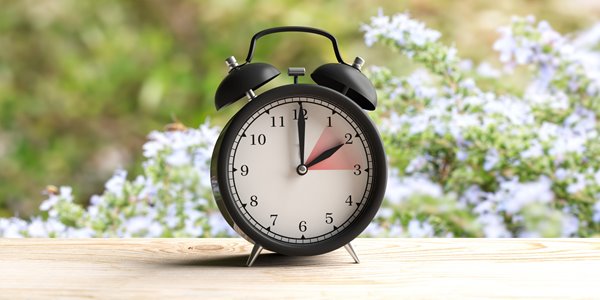
Daylight Saving Time Ended Week Ago; Changes Unhealthy, But Debate Over It Neverending Sunday

The annual changes back and forth from Daylight Savings 
Time and Eastern Standard Time negatively affects 
health, experts say
We're a week into the start of Eastern Standard Time, and frankly, I don't like it.  

Here in Vermont under Eastern Standard Time, the sun basically sets in the middle of the afternoon this time of year. Yeah, technically, the sun does't set in Vermont until a little before 4:30 p.m. this time of  year, and around 4:13 near the time of the winter solstice.

But this time of year is so dark and cloudy and dreary that the sun effectively sets much sooner than that. The gathering gloom starts around 3 p.m.  

On paper, you'd think I'd like Eastern Standard Time. I'm actually an early to bed early to rise kinda guy. The sun comes up in the morning a little earlier than it would during Daylight Savings Time. The sun would come up at around 8:25 a.m. under Daylight Savings Time. 

But I don't really mind waking up to darkness in the morning during the winter. It's not like I want to burst open the doors and enjoy the subzero cold on early winter mornings.  

 Apparently, though, my preference for Daylight Savings Time is bad for my health. Well, of course.! Anything that I enjoy or prefer is bad for me. I guess I should spend my life eating kale, which I detest, never having an alcoholic beverage, and never blowing off exercising for just one day. 

But as ABC and pretty much every news organization on the planet reported, daylight savings time would kill you and me. Or something. 

Says ABC:

"Daylight saving time is less aligned with our natural circadian rhythm. The sun rises later and lasts longer in the evening, but our bodies are more attuned to light in the mornings and darkness in the evenings."

When your circadian rhythm is off because of Daylight Saving Time, you tend to feel a little more tired in the morning and awake in the evening. That doesn't sound like such a big deal. 

Except:

Somehow, the twice annual change, especially when we turn the clocks ahead by an hour in March, it can lead to increased strokes, heart attacks and teen sleep deprivation, according to PBS News Hour.

Scientists say it would be better to make Eastern Standard Time permanent instead of Daylight Savings Time. For purely selfish reasons, I don't like it, because I love the long summer evenings that Daylight Savings Time provides. There's still twilight at 10 p.m. locally in June. 

Nevertheless, the U.S. Senate last March passed a bill that would make daylight savings time permanent. The name of the bill is a little obnoxious: The Sunshine Protection Act of 2021. Sorry, this isn't about protected the sun. It'll keep shining no matter what Congress says. 

Still, I like the idea. No fooling around with the clocks every autumn and early spring. Yay! It seems like I'm not the only person who prefers permanent Daylight Savings Time: 

As CNN opines: 

"Making daylight savings time permanent is broadly popular. A Monmouth University poll conducted in March showed that 61 percent of Americans would favor getting rid of our twice-annual clock changes. The survey also found that 44 percent of Americans prefer making daylight savings time permanent, while 13 percent (who are these people!) want to operate on standard time all year."

However, the U.S. House has yet to act on this idea. They haven't taken up the bill, and probably won't during the upcoming lame duck session in the late winter. It's just not a priority. 

It looks like we will be adjusting our clocks back and forth twice a year for the foreseeable future. 


Thursday, January 14, 2021

Murky Vermont Weather Is Also Polluted

A murky, somewhat polluted winter day last February in 
St. Albans, Vermont beneath a temperature inversion.
Another inversion is causing some air quality concerns
in Vermont overnight. 
 We have suffered through quite a few days in Vermont so far this month with thick, low overcast, fog, haze and whatnot. 

When you get these calm, dank, depressing spells, sometimes you get another problem. Air pollution, believe it or not. And that's a bit of a problem tonight. 

Much of southern Vermont is under an air quality alert through around 11 a.m. tomorrow.

When there's a temperature inversion, stuff that comes out of tailpipes, chimneys and such gets stuck without being able to blow away.  That's especially true when winds are light, like today.

Remember, a temperature inversion is a layer of warmer air overhead. It's called an inversion because normally it gets colder with height, not warmer. 

Anyway, the inversion acts like a lid, keeping pollutants and fog and stuff trapped beneath that layer of warm air. 

Most of the pollution when there's a Vermont air quality alert in the winter consists of tiny particles that come out of chimneys, wood stoves and the like when we burn wood. 

As today's air quality alert states:

"Children and older adults, as well as people with heart or lung disease, should reduce prolonged or heavy exertion. Exposure to elevated levels of fine particles such as wood smoke can increase the likelihood of respiratory symptoms in sensitive individuals and aggravate heart or lung disease."

These types of air quality alerts happen almost every winter in Vermont, as this is the time of year when inversions tend to persist.   The strong, high sun in the spring and summer tends to easily break up inversions. The sun is still at a low angle now, and not as strong as it will be in a few months. 

The Rutland area is especially prone to this type of air quality problem because the valley is shaped somewhat like a bowl. An inversion puts a lid on this bowl and everybody's wood smoke gets trapped. 

The air quality alert is not in effect for Vermont north of Rutland and Windsor counties. Still, the air quality in the rest of Green Mountain State is not great this evening, so it literally won't kill people who have health problems to take it easy tonight and tomorrow morning. 

As of this evening, air quality was sort of borderline.  An air quality index of over 101 calls for caution among sensitive people. Both Rutland and Burlington were in the low 90s for an AQI as of 5 p.m. today.

Winds will begin to stir during the day Friday, which will likely improve the air quality.  

Sunday, September 20, 2020

Persistent Wildfire Smoke Likely Killing People, Injuring Lungs

 It'll probably be impossible to count the number of deaths and illnesses caused by the smoke over the past month from all those wildfires in the West, but the situation is definitely creating health problems. 

Given the current fire situation and weather forecasts, this state of  affairs will likely go on for some time yet.   

Dense smoke enshrouds Seattle last week. Photo by
Sigma Sreedharan, via Twitter.

The air quality has improved somewhat over the West in the past couple of days, at least temporarily, but several areas in the northern and central Rockies are still under air quality alerts. 

Smoky, hazy skies still cover much of the United States. 

The air is dangerous and deadly, and was downright scary at times along the West Coast.  Seattle and Portland, Oregon had the worst air quality in the world last week.  I'm sure you saw those images on the news of the creepy orange, dark  daytime photos in the West. 

Street lights stayed on all day, if you drove you needed your headlights, and everybody was warned to stay indoors to avoid the thick pollution. 

According to The Guardian, Stanford University recorded hospital admissions for asthma rose by 10% and strokes jumped by 23% in the days following the first outbreaks of fires. 

Even worse, this is all  happening in the middle of a pandemic.  The pollution very likely makes Covid cases worse, and increased the risk of serious illness for those exposed to the virus. 

In buildings, you want a lot of outside air flowing in to HVAC systems to help flush Covid viruses floating in the air out of the structure. But during these wildfire smoke sieges, HVAC systems had to be switched to recirculate to keep the dangerous wildfire particles out. So much for flushing rooms with outdoor air. 

The smoke was so thick that it would seep into houses, making the indoor air dangerous, too. Air filtration systems sold out quickly. Residents resorted to making "MacGyver Fans" to purify the air. (People are attaching furnace filters to the front of box fans to purify indoor air).

Generally healthy people have a lot of capacity for their lungs to self-heal after dealing with pollution.  As people get older, their lung capacity diminishes.  If pollution is persistent, will a lot of these younger, healthy people end up with lousy lungs at an earlier age than they otherwise would have? 

A lot of scientists say yes.

The longer the exposure to pollution and the thicker the pollution, the worse it gets for the lungs. This is pretty much the fourth summer and autumn in a row with choking wildfire smoke in the west. This isn't good.

The wildfire smoke is not great for mental health, either. Let's face it. This year really sucks. There's Covid, unrest in the streets, massive failures of leadership, tragedies and climate change.

As noted, the wildfire smoke is billowing high up into the atmosphere and blotting out the blue sky coast to coast. Social media was full of posts with photos, and comments on how the haze and smoke was turning an incredibly depressing year into something even worse.

Last week that thick haze was overhead in Vermont, and will probably come back for a time later this week, according to forecasts. 

The smoke was too high up in the atmosphere over the Green Mountain State to really have any health effects on the ground. But the blah skies were and are a constant reminder that climate change is worsening, and everything seems to be going to hell now. 

I was actually relieved when a Canadian cold front rolled through on Friday. Even though the subsequent frost would wreck my gardens, it was so comforting to see blue sky again.

Get used to the smoke, though. And the health hazards. The fires out west continue to burn. Some welcome rain hit the Pacific Northwest over the weekend. California remained dry and on fire. Weather forecasts call for another round of near record heat, wind and dry air over the western United States into early October at least. 

With climate change fires will keep getting worse, not only in the West but elsewhere on Earth as well. Get used to those smoky summer and autumn skies. 

It's just another way climate change is messing with our lives.